In the modern engineering landscape, the phrase precision machining is synonymous with zero-defect manufacturing. For sectors such as aerospace, automotive assembly, and submersible pump manufacturing, there is no room for error. A single micron variation can result in a cascading mechanical failure.
Defining Top-Tier Precision CNC Capabilities
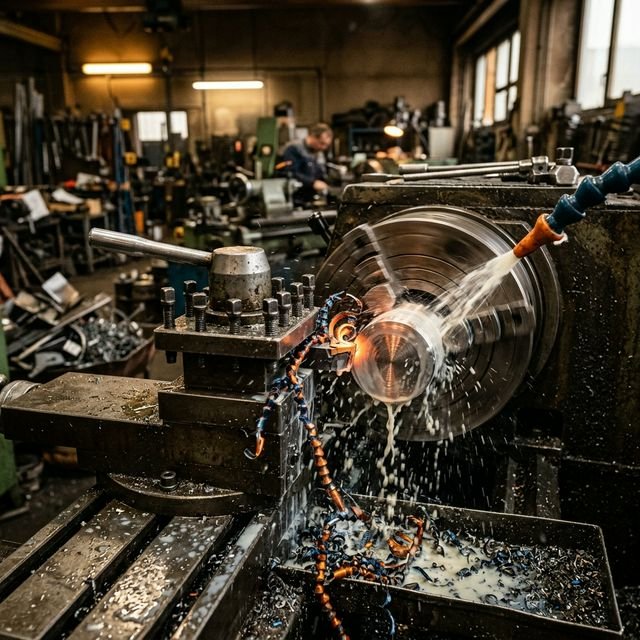
Precision machining removes material from a solid block of metal (like Stainless Steel, Aluminum, or Mild Steel) to create a highly accurate component. Unlike traditional casting, which has loose tolerances, CNC (Computer Numerical Control) machining follows exact G-code instructions to shape metal down to strict micrometer tolerances.
- Milling: Used for creating slots, complex flat surface profiles, and specific geometry edges.
- Turning: Perfect for cylindrical parts—used extensively in pump manufacturing in Rajkot.
- EDM (Electrical Discharge Machining): For complex internal geometries that cutter heads cannot reach.
Why OEMs Choose Rajkot for Precision Work
Rajkot provides a unique ecosystem. A precision machining partner in Rajkot operates with two main advantages: access to premium raw metals and an abundance of highly skilled CNC programmers.
Facilities like Shree Vishwakarma Engineering Works use multi-axis CNC machines to ensure we deliver consistent results across high-volume orders. To us, precision means standardizing every dimension without variance, no matter if it's the 1st or 10,000th unit running off the production line.
Frequently Asked Questions
- Q: What materials are compatible with CNC precision machining?
A: We regularly machine MS, SS 304, SS 316, Aluminum, Brass, and specialized high-carbon tooling steels. - Q: Can precision machining be used for high-volume orders?
A: Absolutely. Once programmed, a CNC machine continuously operates with the exact same precision for virtually identical batch outputs.